Why We Teach Harmonium Every Week
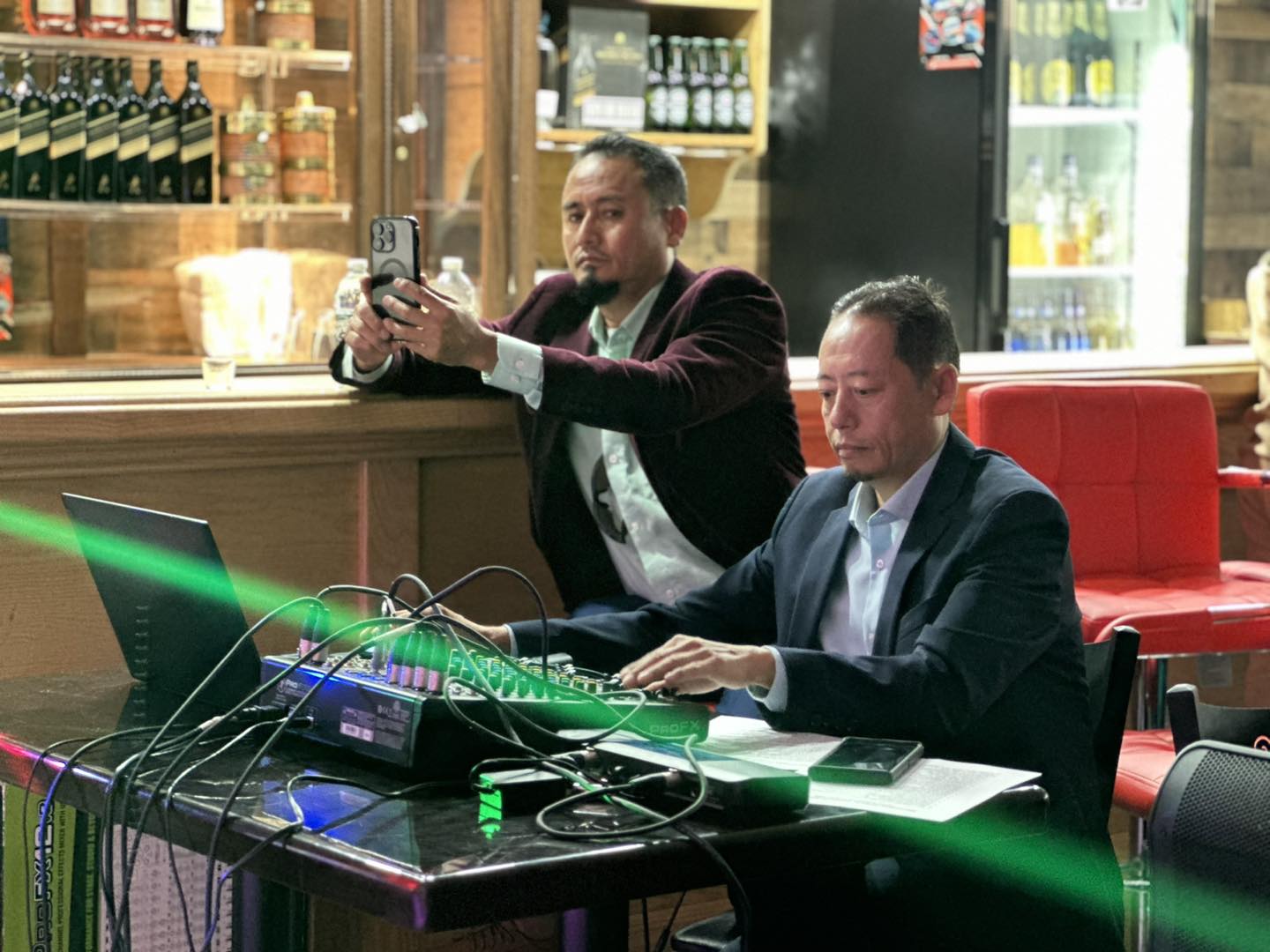
Birkha Gurung managing sound — the same hands that lead our harmonium sessions
If you've ever been to a Bhutanese Nepali gathering — a bhajan, a wedding, a Tihar celebration — you've heard the harmonium. It's the instrument that anchors everything. The vocalist follows it, the tabla responds to it, the room settles into its drone. Without the harmonium, the music feels incomplete.
That's why one of the first things BMGR committed to was weekly harmonium classes at the BCGR Community Hall. Every week, 4-5 regular participants sit down with Birkha dai — a man with over 35 years of harmonium experience and a diploma in Indian Classical Vocal — and learn.
The classes aren't formal or intimidating. There's no syllabus, no exams. People come, sit, and play. Beginners learn their first scales. Intermediate players work on songs. The point isn't to create concert-level performers — it's to keep the tradition alive.
Here's what worries me sometimes: our children are growing up in a world where Nepali music isn't playing in the background the way it was for us. They hear it at events, maybe during Dashain, but it's not part of their daily life. If we don't teach them the harmonium, the tabla, the songs — who will? YouTube tutorials are great, but they can't replace sitting next to someone who learned the same way, decades ago, in a different country.
That's why we encourage members to send their kids. We're also exploring the idea of a kids' orchestra and a children's choral group. It's ambitious, but if even a few young people pick up an instrument because of BMGR, that's worth everything.
The classes are free for BMGR members and open to anyone in the community who wants to learn. If you're interested, get in touch. You don't need to know anything — just show up.
— Yogesh Adhikari
Get updates from BMGR
Event reminders and news.
Comments
No comments yet. Be the first!